
A Year of Tending and Becoming
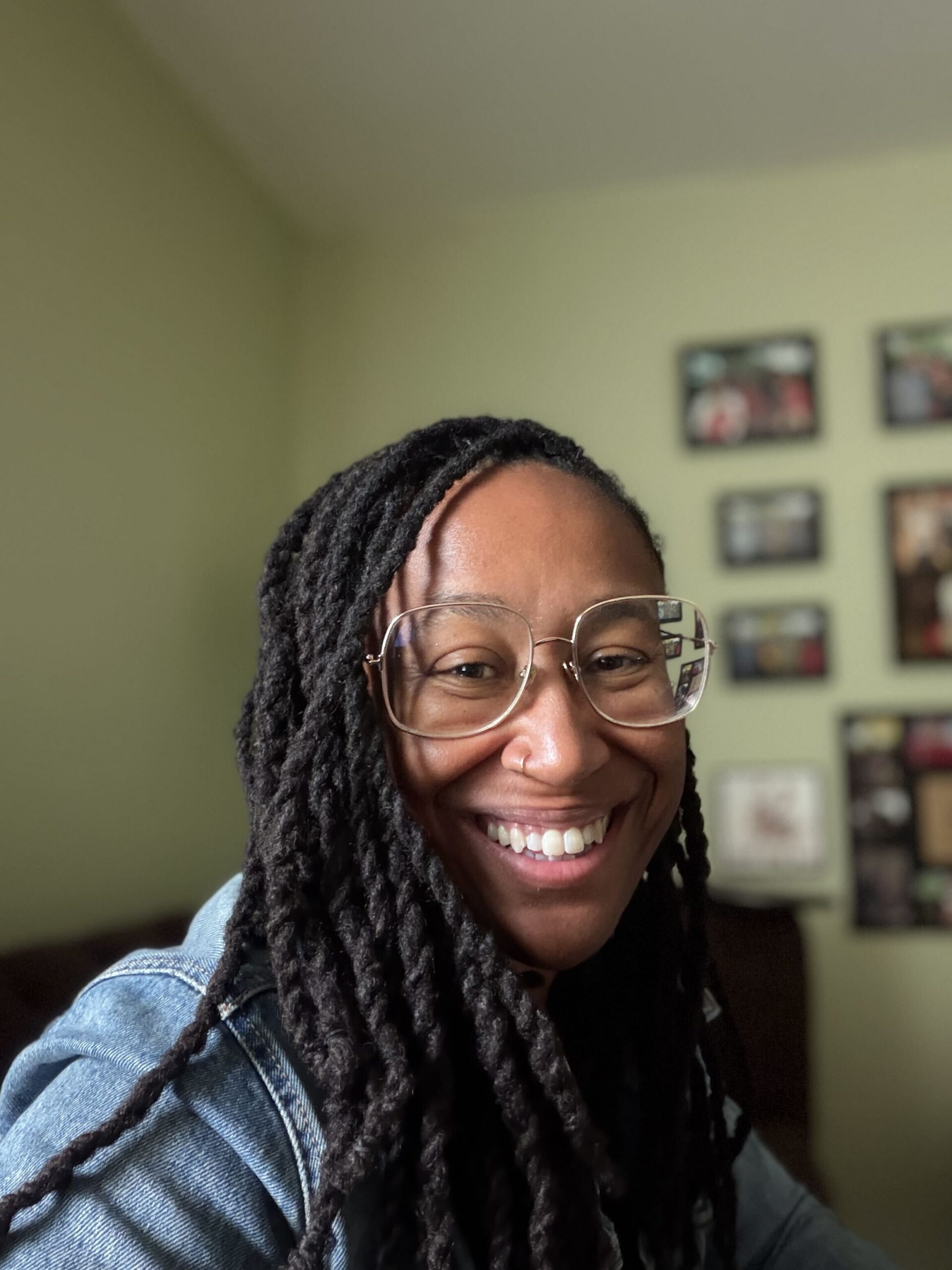
A little over a year ago, I said yes to becoming the Executive Director of Faith Matters Network.
I came into the role with ideas about what I wanted to build and where I thought FMN could go. What I learned quickly was that my first responsibility was to understand what we had inherited, what was working, what needed attention, and what this particular moment was asking of us.
That has meant holding a lot at once: budgets and big ideas, staffing and strategy, programs and partnerships, difficult decisions and exciting possibilities. Turns out, discerning a bold organizational future still requires someone to approve invoices.
Building From Womanist Wisdom
Alice Walker gave us the language of womanist by reaching back to a familiar Black folk expression: a mother telling a girl, “You acting womanish.” Womanish meant being audacious, courageous, willful, curious. This way of being meant wanting to know more and in greater depth than others thought you should.
I keep coming back to that definition as I think about Faith Matters Network.
Black women have been creating, adapting, organizing, caring for communities, and making a way out of no way for generations. That lineage has something to teach us about the future.
If you’ve read any of Ristina Gooden’s powerful spiritual innovation blogs, you’ve seen that innovation doesn’t always mean creating something new. Sometimes it means recognizing the wisdom already among us and asking what it can teach us about where we go next.
For FMN, that means building on a womanist lineage toward a womanish future.
We are stepping into this next season audacious enough to ask different questions,
curious enough to imagine beyond what already exists,
and grounded enough to know that we aren’t starting from scratch.
Because No One Transforms Their World Alone
One of the things I appreciate most about womanism is its insistence that our individual flourishing is connected to the flourishing of our communities. Because no one transforms their world alone.
We accompany spiritually-grounded leaders because the people doing the work of transformation also need people supporting alongside them. We create spaces for connection because isolation makes already difficult work harder. We center spiritual sustainability because changing the world should not require leaders to sacrifice themselves in the process.
I have not made it through this year alone. Lately, I’ve found myself getting teary during our team meetings. Sometimes we’re talking about workplans or programs or some operational detail, and I look around at Brittney, Casey, and Tyler and feel deeply grateful.
Together, we’ve made hard decisions, strengthened programs, built systems, clarified how we work together, and asked a lot of questions about what FMN needs for its next chapter.
Leadership Has Been Forming Me, Too
This year has also changed how I think about leadership.
I like clarity. I like solving problems. I like getting things done. Some might say I like these things a little too much.
I’ve had to learn that leadership isn’t about being the person who solves every problem. I’m learning when to make the decision and when to create space for other people to lead. When something requires urgency and when it requires patience.
Cultivating, Nurturing, and Activating Our Network
Perhaps one of my biggest realizations this year is that some of FMN’s greatest potential is already here.
Over the past decade, hundreds of people have learned, gathered, practiced, and built relationships through Faith Matters Network. The opportunity in front of us isn’t simply to create more programs. It is to cultivate and nurture those relationships and activate the wisdom, leadership, and connections that already exist across our network.
That means creating more ways for people to stay connected after a cohort ends. It means inviting alumni back as mentors, facilitators, teachers, and collaborators. It means making what we are learning more accessible beyond the people in a particular program. And it means connecting people across programs, geography, and communities who might have something to offer one another.
We aren’t assuming that FMN has to be at the center of every relationship or hold all the answers. We can help create the conditions for people to find one another, share what they know, and build something we couldn’t have designed on our own.
Toward a Womanish Future
A year into this role, I find myself thinking less about what FMN needs to become and paying more attention to what is already emerging. I see a team that has worked hard to find our rhythm together. I see leaders who keep showing up for one another long after a cohort or gathering ends. I see our renewed commitment to womanist wisdom, accompaniment, connection, and spiritual sustainability.
As we enter this next chapter, I want FMN to keep doing what Black women have done for generations: cultivate what is already growing, nurture the people doing the work, and create the conditions for something new to emerge.
That feels like the womanish future we are co-creating.
Audacious. Connected. Spiritually grounded. Built together because no one transforms their world alone.

